Implantology

Implantology allows for the permanent replacement of missing teeth with artificial tooth roots (implants) made of titanium or ceramic. Crowns, bridges, or dentures can be securely attached to these implants. Implants offer maximum comfort, stability, and natural aesthetics, and help compensate for tooth loss in the long term. In many cases, an immediate implant is also possible—an implant that is placed immediately after tooth extraction.
What is implantology?

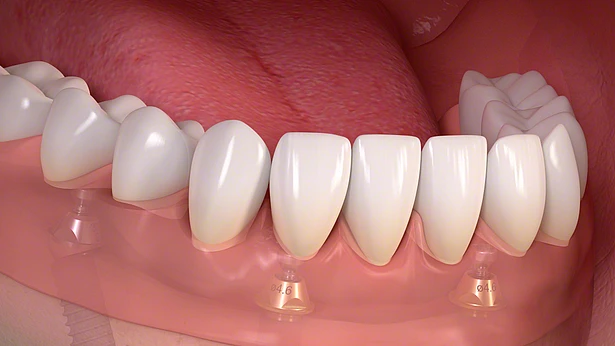
Implantology is a branch of dentistry that focuses on the placement of artificial tooth roots. Implants are placed directly into the jawbone, where they fuse firmly with the bone (osseointegration). Individual teeth, bridges, or even complete dentures can then be attached to them.

Immediate implant & immediate restoration

An immediate implant can be placed right after a tooth is extracted, significantly reducing the gap and the healing period. This is particularly aesthetic and comfortable, as a dental restoration can be fixed to the implant immediately. If desired, a temporary crown or bridge can be attached to the implant right away.

Advantages: shorter treatment time, immediate aesthetic results, protection against bone and gum loss, high comfort. The healing and osseointegration of the implant occur simultaneously with the loading from the temporary prosthesis, so patients leave the office without a gap.

Advantages of implantology

  • Permanent, stable dental prostheses – no slipping or removal required
  • Bone stabilization – implants prevent bone loss at the site of missing teeth
  • Natural aesthetics and chewing function
  • Long-term durability – 15–25 years or more with proper care
  • Preservation of healthy adjacent teeth – unlike bridges, these do not need to be ground down
  • High comfort – no feeling of a foreign object as with removable dentures
  • Flexible solutions – single teeth, multiple teeth, or entire rows of teeth
  • Immediate implant: reduced treatment time, quick aesthetic results, and fewer healing phases

Procedure for implant treatment

Consultation & Diagnostics

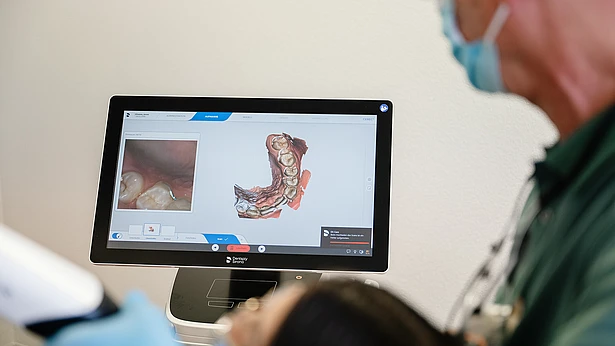
  • X-ray (2D) or CBCT (3D) for jaw and bone analysis
  • Health checkup, risk factors (e.g., diabetes, smoking, use of bisphosphonates)

Treatment planning

  • Selection of the implant system (Straumann, Neodent)
  • Decision on immediate implant placement or conventional implantation
  • Planning of crowns, bridges, or dentures on implants

Implantation

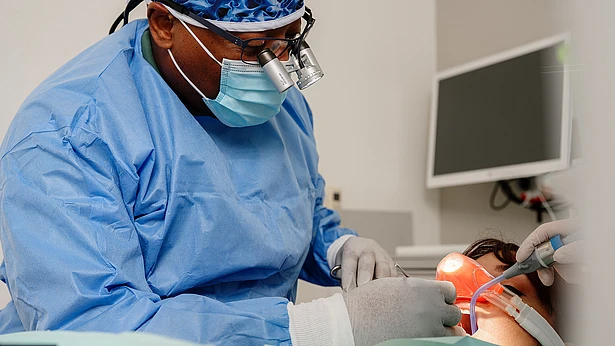
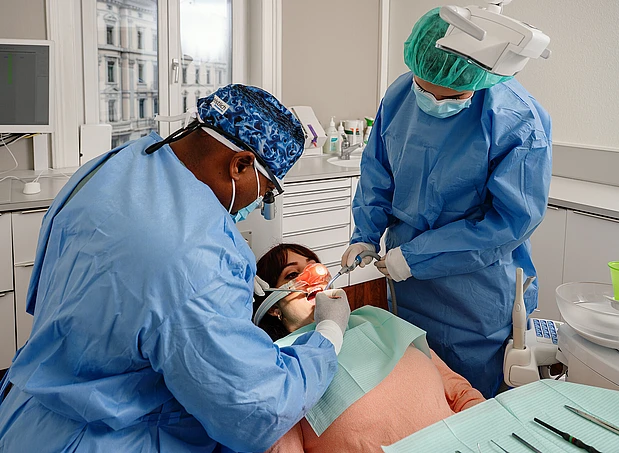
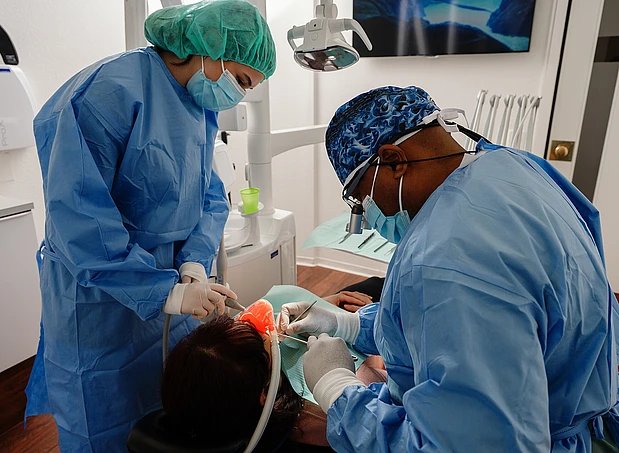
  • Local anesthesia or sedation
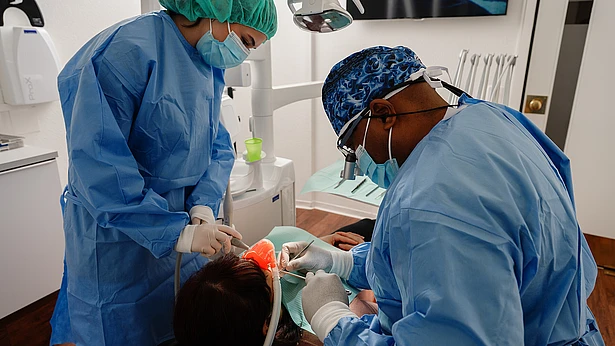
  • Placement of the implant in the jawbone
  • For immediate implants: placed immediately after tooth extraction
  • Possible bone grafting (augmentation) if there is insufficient bone

Healing phase

  • Osseointegration: the implant fuses with the bone (4–12 weeks for conventional implants; immediate implants can often be loaded sooner)
  • Temporary restoration for aesthetics and chewing function

Restoration & Prosthesis

  • Placement of the abutment (connection between the implant and the dental prosthesis)
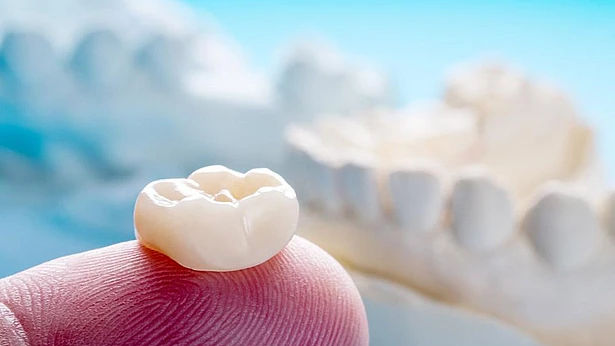
  • Fitting of the crown, bridge, or denture
  • Final check-up and care instructions

Long-term care

  • Regular check-ups
  • Professional teeth cleaning for implant care

Choice of material and care instructions

The choice of implant material depends on aesthetic requirements, allergies, the implant’s position in the mouth, and the patient’s bone availability. Even for immediate implants, these materials are selected based on the individual patient and bone condition. Following a detailed consultation, you will be able to choose one of the following materials.

  • Titanium, Roxolid, Ceramic - Biocompatible, proven over many years, almost every bone accepts titanium
  • Zirconia (ceramic) – Very natural-looking, hypoallergenic, minimal plaque buildup
  • Titanium-ceramic combination – Stability + aesthetic surface

The lifespan of an implant also depends on the patient’s careful oral hygiene. This includes:
  • Daily oral hygiene: brushing, interdental brushes, flossing
  • Regular check-ups & professional teeth cleaning (2–4 times a year)
  • Avoiding risk factors: smoking, uncontrolled diabetes

With a stable, durable denture, you will experience maximum comfort and improve your quality of life.

Book an appointment now