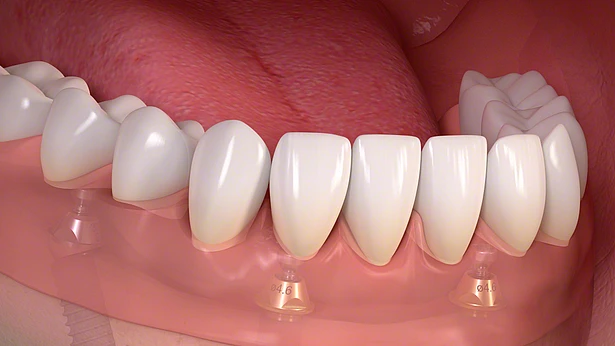
Teeth grinding therapy (bruxism)

Teeth grinding and clenching (bruxism) can be treated—the sooner, the better. We use a two-step, interdisciplinary treatment approach: physical therapy followed by splint therapy, with additional dental repair as needed. 

What is teeth grinding (bruxism)?

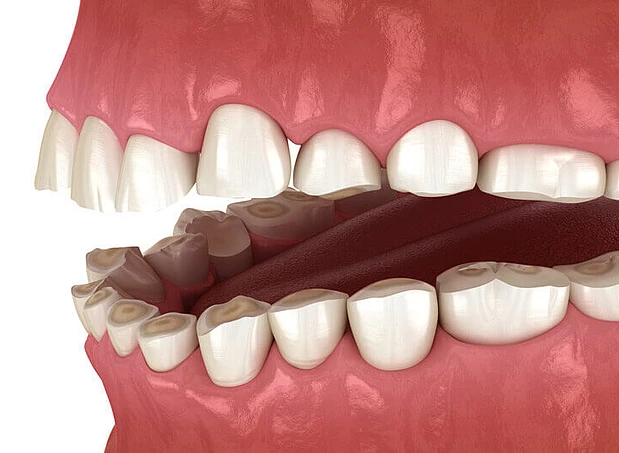
Do you grind or clench your teeth unconsciously, usually at night, and sometimes during the day? This condition is called bruxism and can lead to tooth damage, temporomandibular joint (TMJ) problems, muscle tension, or headaches (TMJ syndrome). The causes are varied and range from stress, improper bite alignment, sleep disorders, and muscle tension to misaligned teeth or psycho-emotional factors.

Over time, typical damage develops, such as worn-down teeth, sore chewing muscles, jaw joint noises, or tension in the head and neck area. Our proven, interdisciplinary treatment method specifically targets the reduction of symptoms.

Advantages of targeted bruxism therapy

  • Protection of tooth structure against wear and cracks
  • Relief for the temporomandibular joint and muscles
  • Relief from headaches, tension, and facial pain
  • Improved sleep quality
  • Harmonization of jaw function
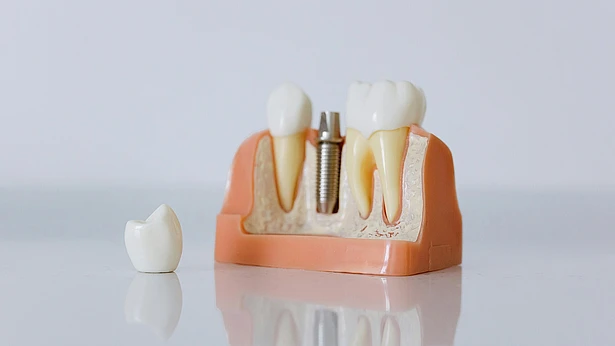
  • Prevention of further damage to teeth, fillings, or crowns

Treatment procedure

Diagnostics

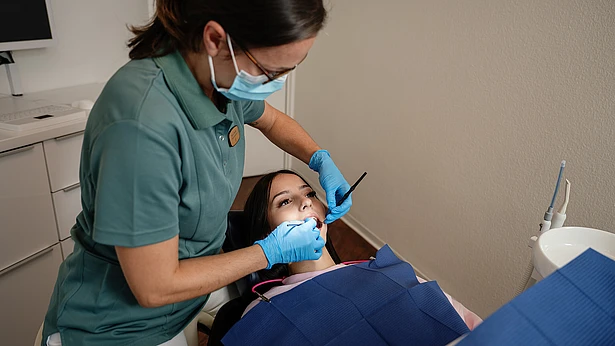
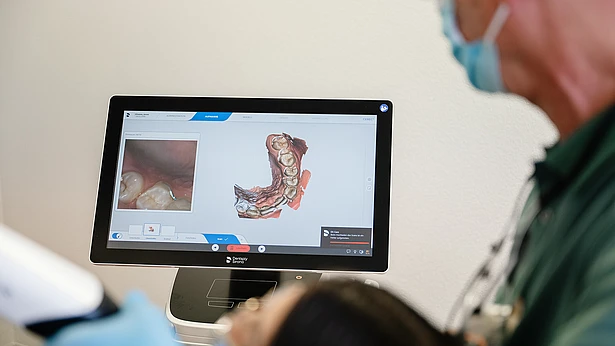
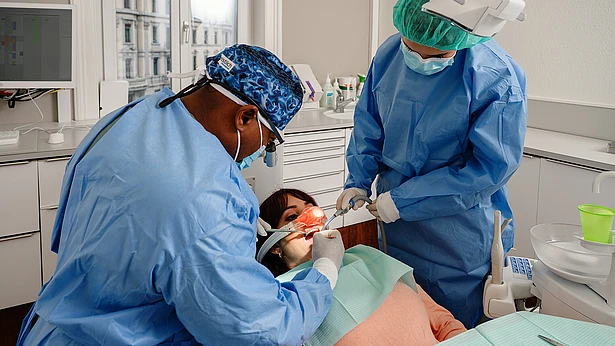
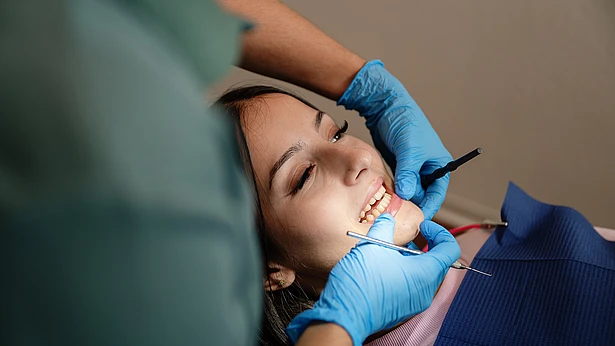
Analysis of the condition of the teeth and temporomandibular joint, muscle status, wear patterns, and, if necessary, functional analysis.

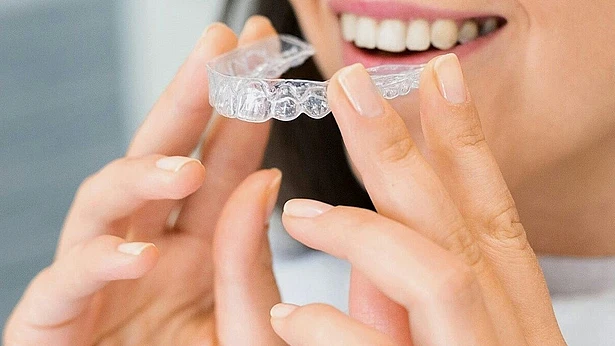
Custom-made bite splint

A custom-fitted bite guard protects the teeth and relaxes the muscles.

Relief Techniques & Complementary Therapies

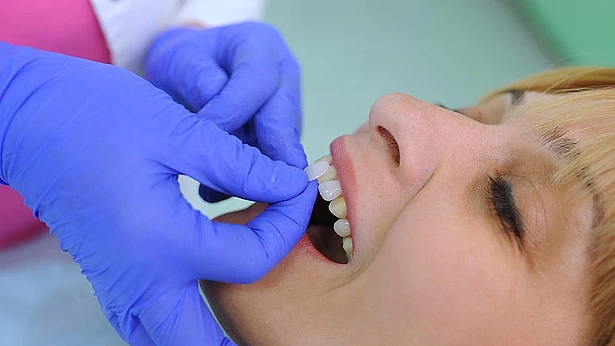
Depending on the findings, a combination of muscle relaxation, physical therapy, or orthodontic correction.

Follow-up & Fine-Tuning

Regular check-ups ensure optimal effectiveness and provide long-term protection for the masticatory system.

Don't miss the opportunity to stop the consequences of teeth grinding.

Book an appointment now