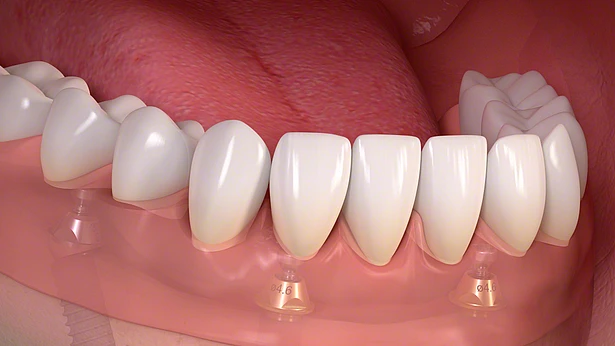
All-on-4
Fixed teeth in just one day - safe, modern and aesthetic.
Learn more
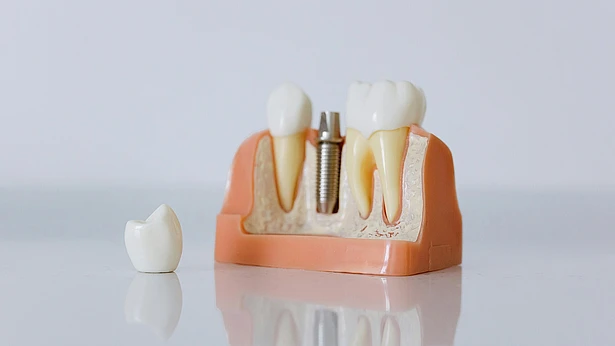
A dental crown (porcelain crown) is a fixed dental restoration that stabilizes, protects, and restores the appearance of a damaged, heavily filled, or root-canaled tooth. It encases the tooth like a protective shell, ensuring natural function and appearance, and providing long-term durability for chewing.
Dental crowns can be made from a variety of materials—the choice depends on the tooth’s position, chewing forces, aesthetic requirements, allergies, and budget.
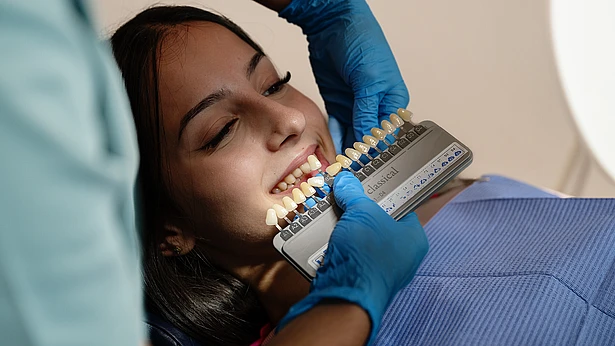
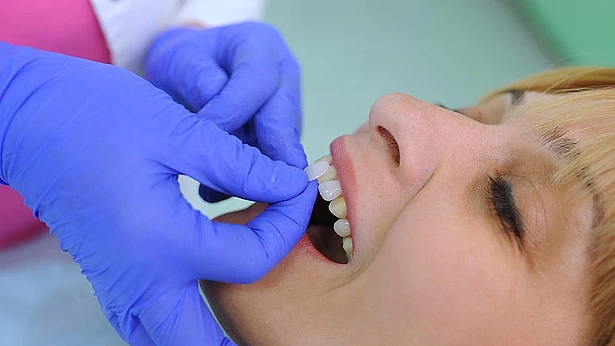
A ceramic crown is metal-free, biocompatible, and particularly well-tolerated—ideal for people with allergies as well. It is characterized by high strength, long-lasting durability, and natural translucency that makes it virtually indistinguishable from real teeth.
Unlike metal-based dental restorations, they do not create dark lines along the gumline. Additionally, they are gentle on the gums, and the surface remains smooth and plaque-resistant. For those who prioritize aesthetics, biocompatibility, and quality, a ceramic crown is the best choice.
If several adjacent teeth are missing, a ceramic dental bridge may be the ideal solution. In this procedure, the adjacent teeth are used as abutments to which the bridge is securely anchored. Both visually and functionally, this type of ceramic dental prosthesis is virtually indistinguishable from natural teeth. We will work with you to find the solution that best meets your medical and aesthetic needs.
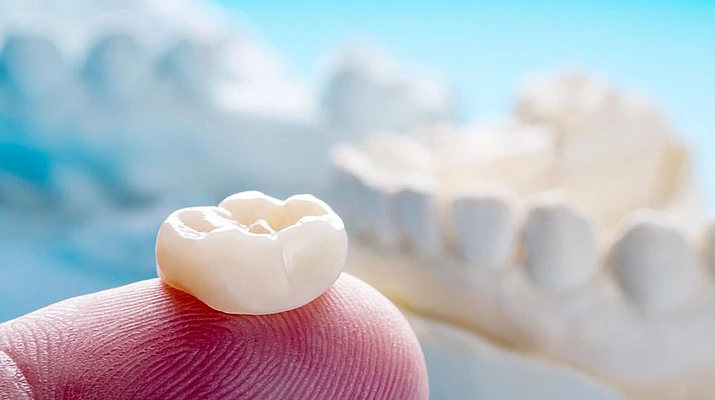
With proper care, a high-quality ceramic crown can last ten to twenty years, and often even longer. Regular checkups, professional cleanings, and thorough oral hygiene at home are essential. Ceramic is strong and durable, and its smooth surface helps keep the gums healthy and free from inflammation.
The cost of a porcelain crown depends on its size, location, and the complexity of the procedure. Since each crown is custom-made, we provide a transparent cost estimate following an examination. While porcelain crowns are slightly more expensive than metal-based dental restorations, they offer superior durability, biocompatibility, and a natural appearance—an investment that pays off in the long run.
Yes—modern ceramic crowns are just as durable as metal crowns today. Thanks to advanced manufacturing techniques and high-performance ceramics, they offer exceptional fracture resistance. At the same time, they are color-stable, wear-resistant, and retain their natural appearance for many years.
A dental bridge is used when one or more teeth are missing and the adjacent teeth are healthy enough to serve as abutments. A ceramic dental bridge offers an aesthetically pleasing solution when implants are not an option or are not desired. It is firmly anchored, comfortable for everyday use, and stands out for its natural appearance.
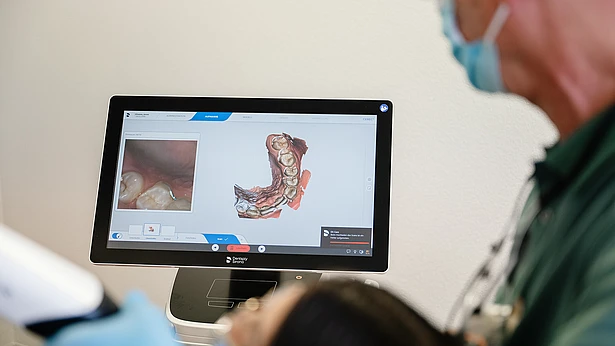
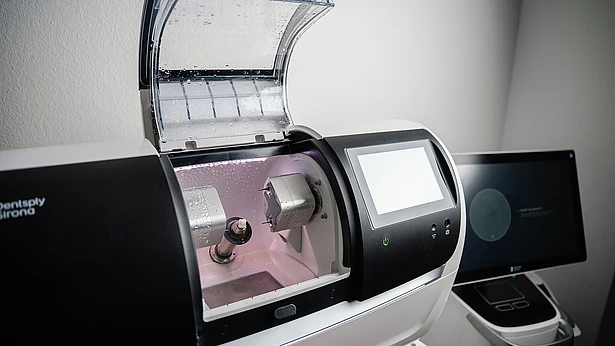
Generally speaking, yes—ceramic crowns can be used on both front and back teeth. They are particularly suitable for larger tooth defects, following root canal treatment, or when old fillings need to be replaced. Thanks to digital planning and precise fabrication in our laboratory, we can achieve perfect results—both functional and aesthetic.