Oral surgery - Diseases of the oral cavity

Oral surgery involves specialized surgical procedures in the mouth, jaw, and gum areas. The goal is to provide long-term treatment for diseases, functional disorders, inflammation, and anatomical problems—using gentle, precise, and minimally invasive techniques whenever possible. Modern techniques ensure a high level of safety, short recovery times, and stable, long-lasting results.

What is oral surgery?

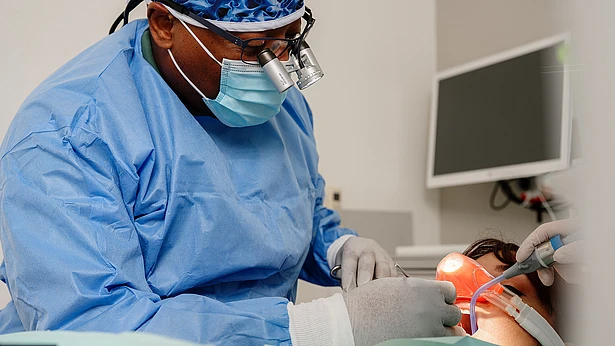
Oral surgery is a branch of dentistry that specializes in surgical procedures in the oral cavity. Typical oral surgery procedures include:

  • Wisdom tooth extraction (impacted (covered by gum tissue), partially impacted, displaced)
  • Surgical tooth extraction for fractures, inflammation, or supernumerary, impacted, or malpositioned teeth
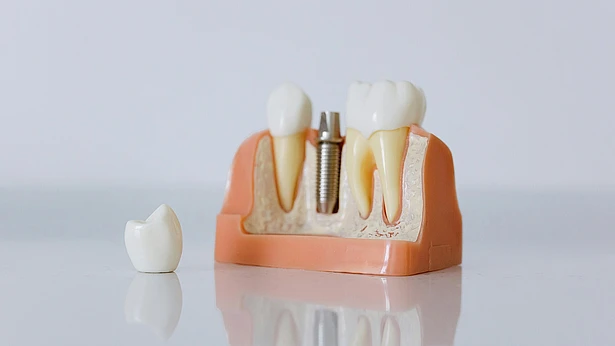
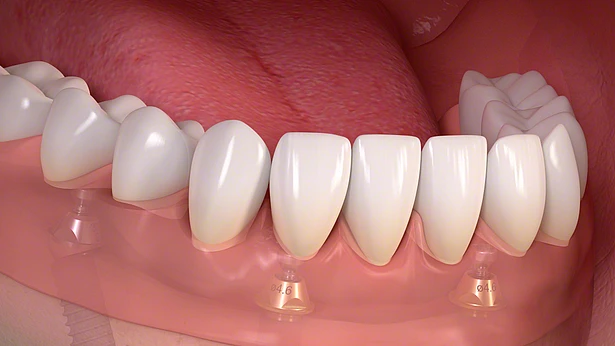
  • Implant placement & bone grafting
  • Apical resection (WSR)
  • Exposure of impacted teeth (e.g., for orthodontic treatment)
  • Cyst removal
  • Correction of lip and tongue ties
  • Soft tissue surgery (gums, mucosa)

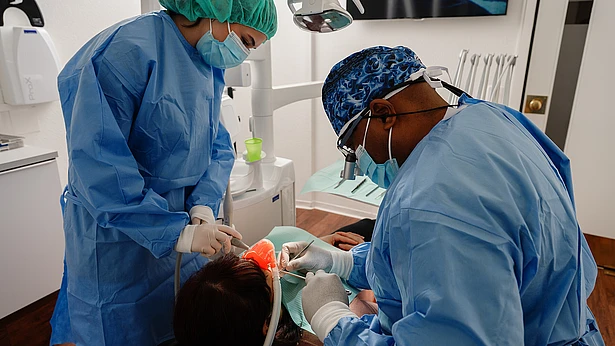
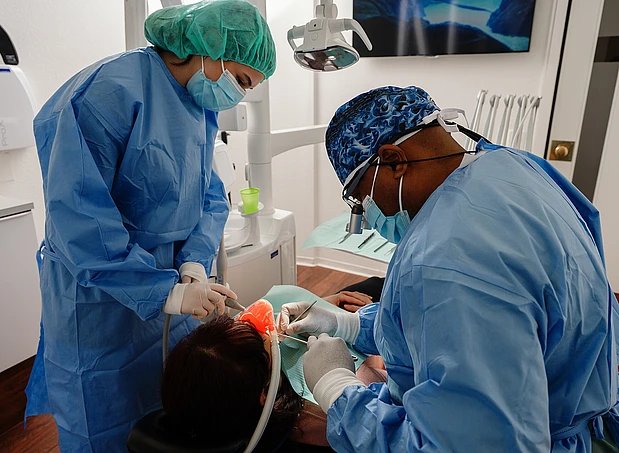
Oral surgery procedures are performed under local anesthesia, or under sedation or general anesthesia upon request. The goal is always a tissue-preserving approach, optimal healing, and the restoration of function, health, and aesthetics.

Procedure for oral surgery treatment

Examination & Diagnostics

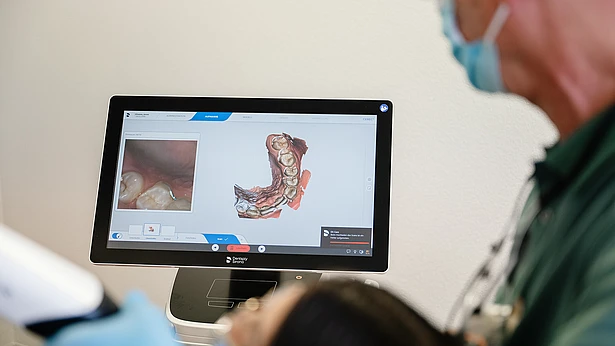
  • Clinical examination, 2D and 3D X-rays

Treatment planning

  • Explanation of the procedure, risks, alternatives, and follow-up care

Surgical procedure

  • Local anesthesia, sedation, or general anesthesia
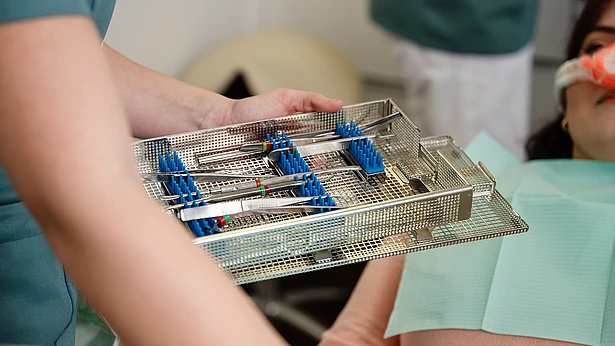
  • Tissue-preserving, sterile procedure

Wound care & stabilization

  • Suturing technique, atraumatic instruments, PRF membranes if necessary

Follow-up care & monitoring

  • Pain and swelling management
  • Suture removal & healing process

Important notes

Please note the following important instructions for the period following oral surgery. 
  • Rest and take it easy for the first 24–48 hours
  • Cooling to reduce swelling
  • Soft, lukewarm foods during the healing phase
  • No dairy products, no straws, no smoking after procedures
  • Antibiotics and pain medication as directed
  • Regular follow-up visits to ensure successful healing

Rely on experience and expertise for procedures with maximum safety and precision.

Book an appointment now